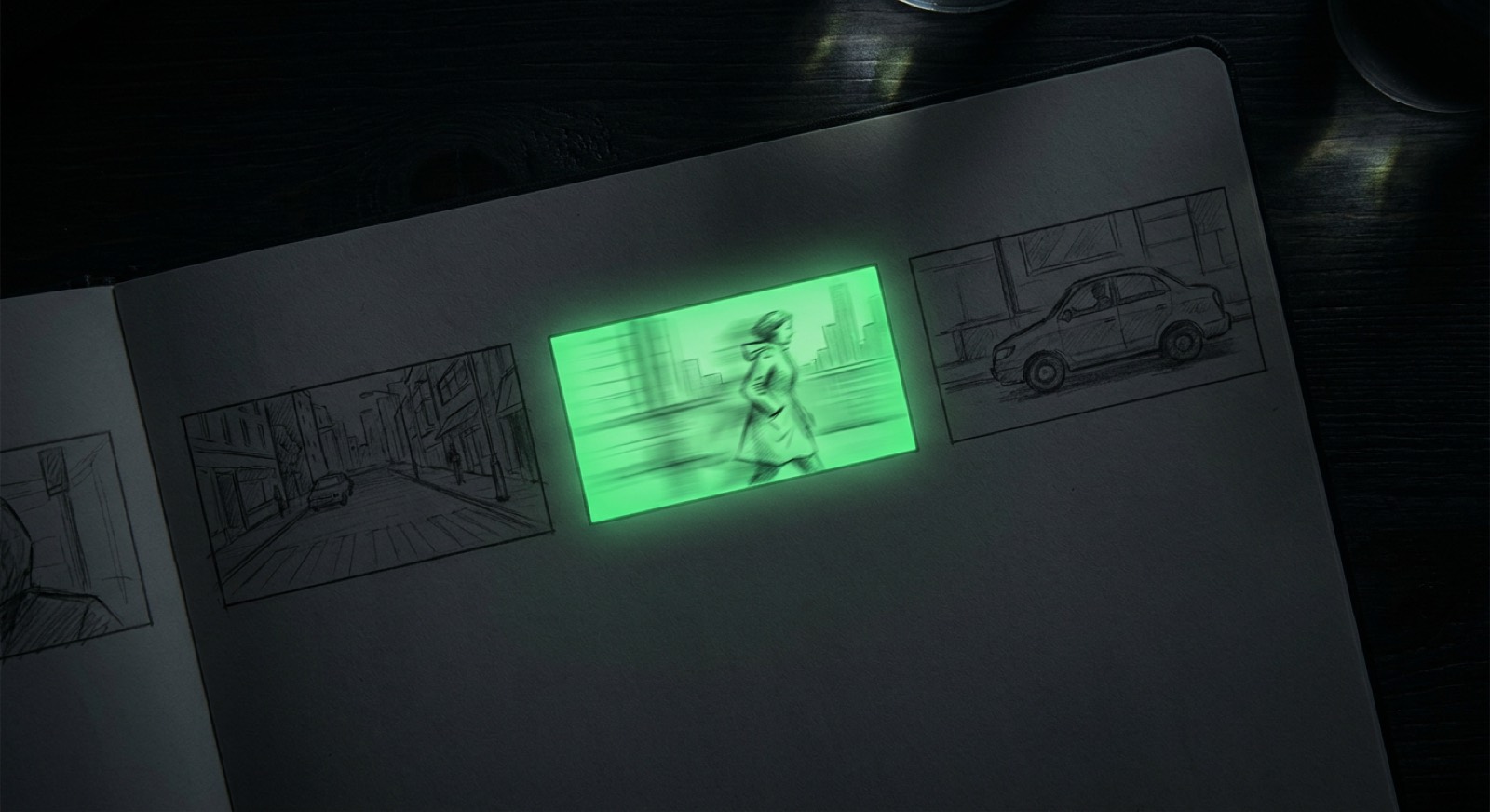
A 30-second video is not 30 seconds of footage. It's about six decisions, in order.
Everyone wants to "generate a video." So they type a paragraph into a model, get five seconds of pretty drift, and wonder why it doesn't feel like an ad.
Because the hard part of a video was never the pixels. It's the shot list. What happens, in what order, and why.
So I do the same thing I do for images: I write the system first, then generate against it.
Write the storyboard, not the prompt
One line per shot. Intent and framing, nothing more.
That's the whole film, before a single frame exists. Five decisions I can argue about, reorder, or throw out for the price of editing a text file.
Generate each shot in one house style
Each shot is a spec, exactly like my image manifest: a concept plus the shared Pixl signature. Near-black, one green light, film grain. Generate the still, and it's the keyframe for that shot. Because every shot inherits the same signature, the five frames read as stills from one film instead of five random clips.
Then the keyframe goes into an image-to-video model, which gives it motion. Then I cut the shots together with sound.
Direction, not prompting
This is the part people skip. A video model, left alone, drifts: faces melt, text turns to soup, the camera wanders off to shoot something you didn't ask for.
The storyboard is the leash. Each shot is scoped so small that there's not much room to wander. I'm directing keyframes, not wishing at a paragraph.
The honest state
One good clip is easy now. A coherent 30 seconds, with continuity between shots, consistent branding, and audio that lands on the cut, is still real work. The still frames are reliable. The motion is the part that still needs a human saying "no, again."
No faked demo here. What's below is what the system actually produced.
The example
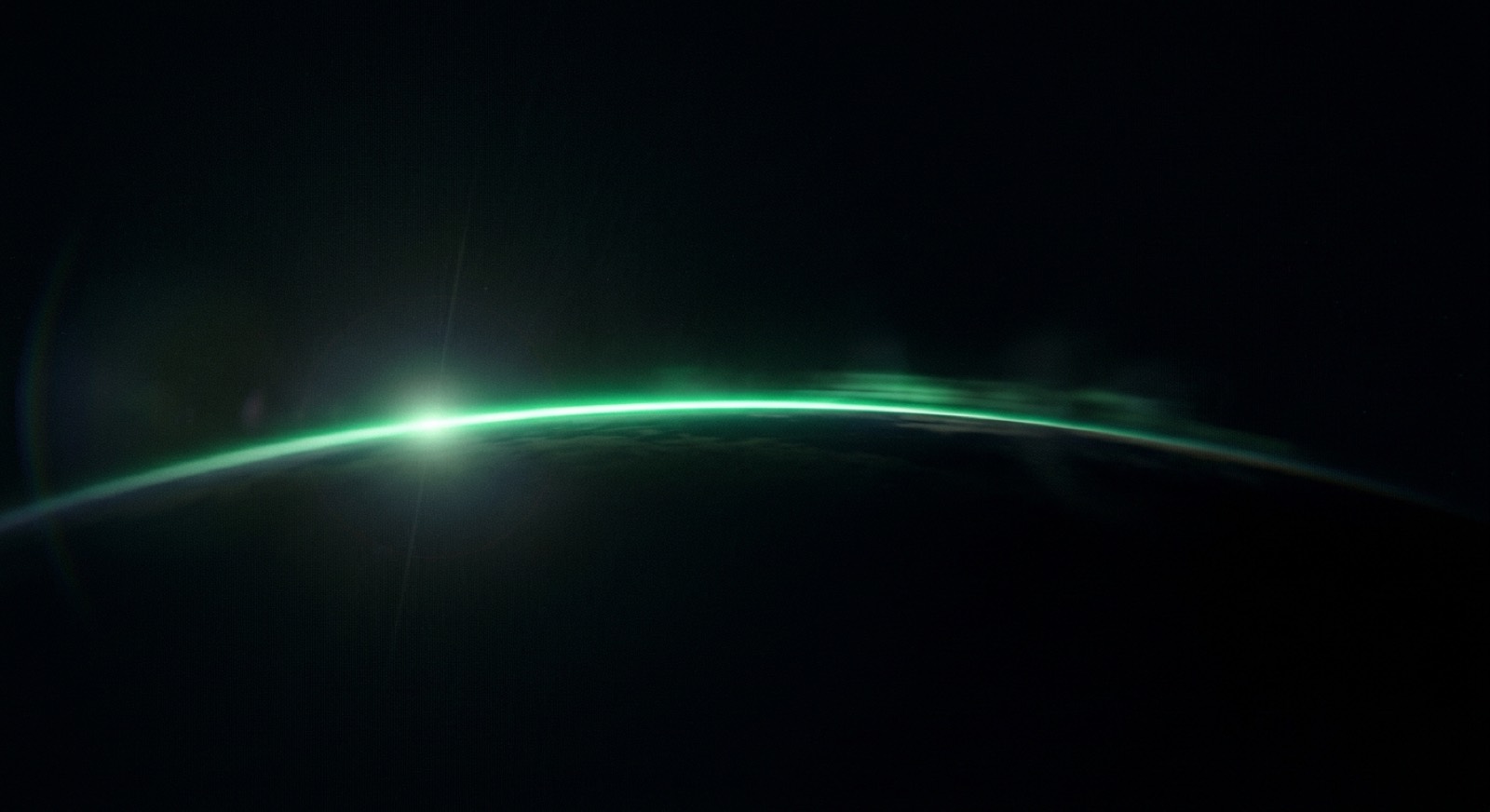
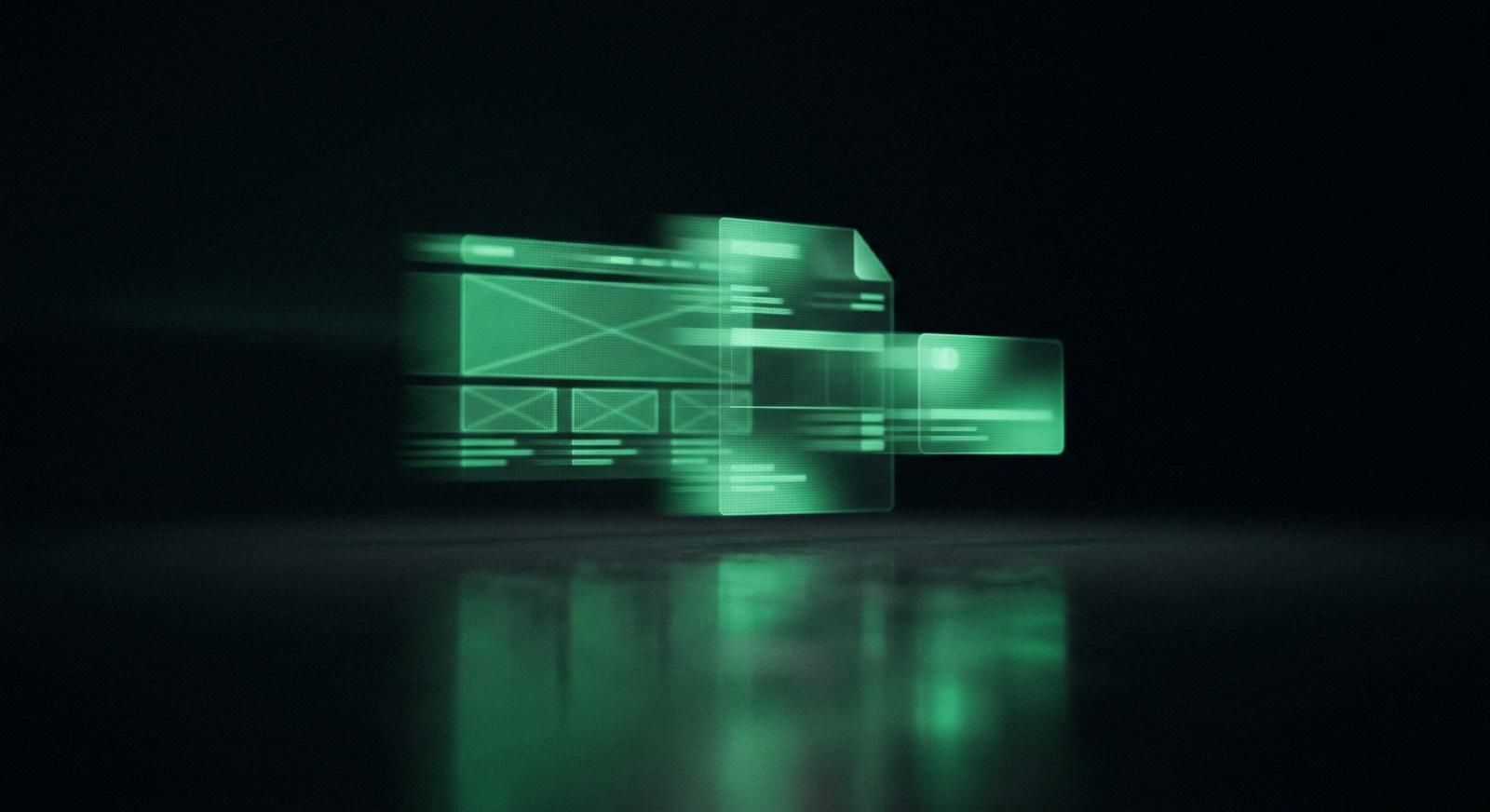
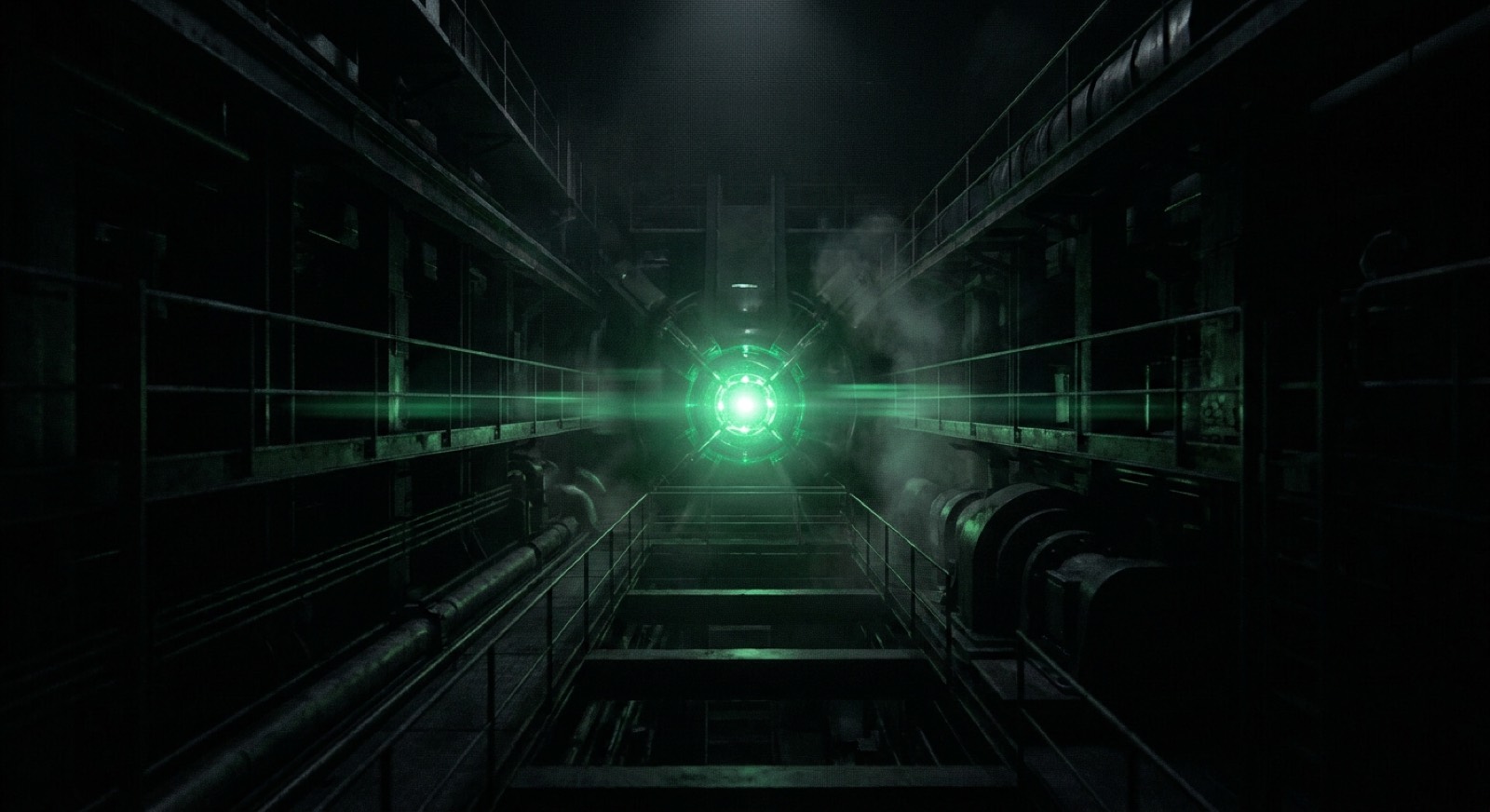
Here's a five-shot Pixl storyboard, built exactly this way: one line per shot, each frame generated in the house style. I ran the motion pass too. It isn't good enough to show yet, so you get the storyboard, not a bad clip.
The storyboard is the video. The rest is rendering.